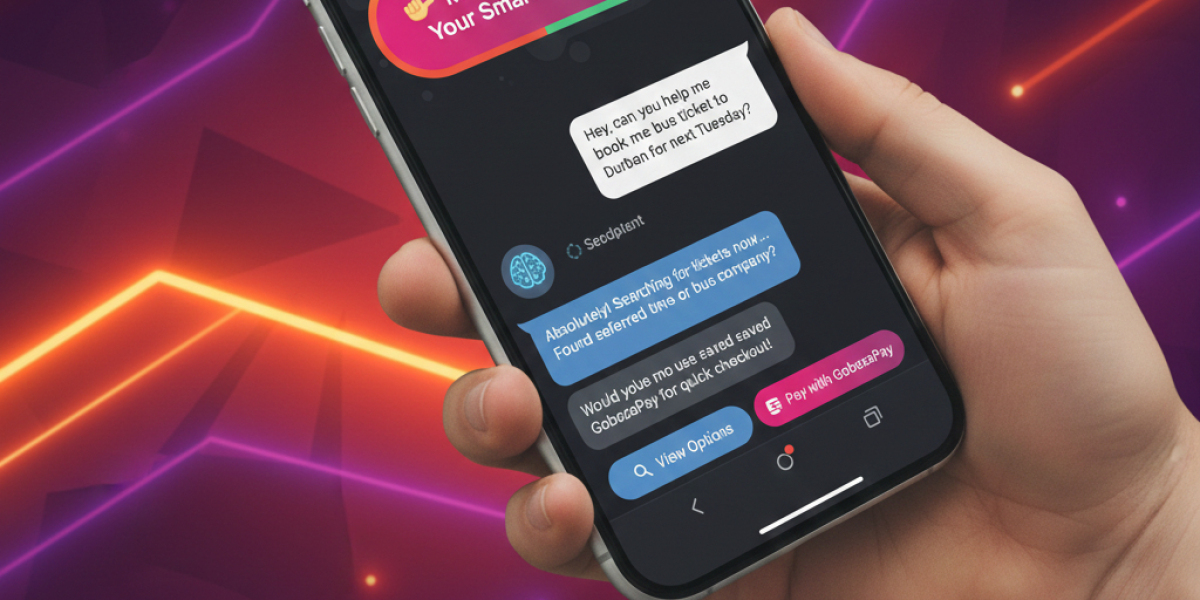

The ambition to design a smartphone specifically for the South African market—a "Goboza Phone"—is a powerful vision for local tech independence. However, as Sizwe Maseko, CEO of Goboza Chat Pty Ltd, has indicated, the journey from concept to consumer is riddled with significant, often unforseen, challenges that necessitate patience and strategic realignment. This is not a failure of intent, but a harsh reality check against the complexities of the global hardware supply chain and the unique demands of the local environment.
1. Navigating the Global Supply Chain Maze
The fundamental challenge for any new hardware entrant, especially one based in an emerging market, is the supply chain. Maseko’s team isn't just coding software; they are sourcing components from Asia, negotiating with manufacturers, and ensuring quality control across thousands of kilometres.
* Component Acquisition: Securing reliable, high-quality components (processors, displays, memory chips) at a price point that allows for an affordable final product is difficult. Global chip shortages and competition from tech giants constantly drive up costs.
* Manufacturing and Logistics: Setting up a robust manufacturing and assembly process—or even contracting one—requires massive capital and logistical expertise. Delays at ports, import duties, and complex international compliance standards add time and expense, directly impacting the final retail price.
2. Tailoring Tech for South Africa's Realities
A true "Mzansi-ready" phone must address unique local infrastructure challenges, which requires deeper engineering than a standard device.
* The Battery & Load Shedding: As Maseko has likely found, South African consumers demand exceptionally resilient batteries to cope with load shedding (scheduled power cuts). Designing a phone that prioritises power efficiency while maintaining a slim profile and affordable cost is a constant trade-off.
* Data and Network Optimisation: The device must be perfectly optimised for local mobile networks, focusing on data-light operations and seamless switching between 3G, 4G, and the nascent 5G networks, where coverage is patchy. This requires extensive, costly local field testing.
* Durability and Climate: The phone must withstand the country’s diverse climates and daily wear-and-tear better than its generic international competitors, adding complexity to the industrial design process.
3. The Finance and Regulatory Hurdle
The capital required to jump from a software company to a hardware manufacturer is staggering.
* Investment Security: Securing the massive investment needed for R&D, tooling, inventory, and marketing requires proving that the local market can absorb a large volume of the product profitably—a difficult pitch against established global players.
* Local Compliance: The phone must meet all local regulatory standards from ICASA (Independent Communications Authority of South Africa) regarding frequency use, safety, and import procedures, which can be bureaucratic and time-consuming.
Sizwe Maseko and the Goboza team understand that rushing to market with a compromised product would damage their brand and their mission. The delays reflect a commitment to overcoming these hard challenges to deliver a device that is genuinely high-quality, affordable, and authentically South African. It’s a marathon, not a sprint, to build a local tech future.